Payment Method Adaptations in Response to Evolving Swedish Gambling Laws for Online Table Games
Skriven av Nils Patterson · 2026-08-26
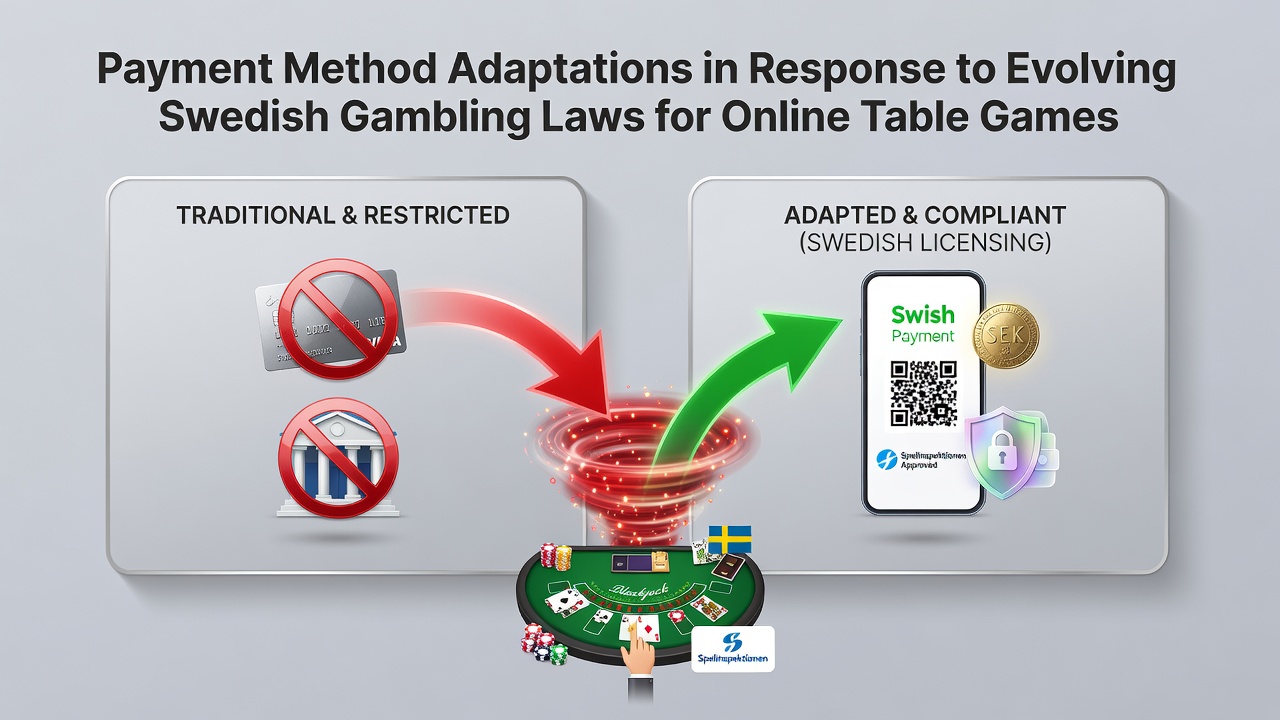
Payment Method Adaptations in Response to Evolving Swedish Gambling Laws for Online Table Games
Swedish gambling regulations continue to shape how operators handle payments for online table games such as blackjack and roulette, with payment providers adjusting systems to meet stricter verification and transaction rules that took hold after the 2019 market re-regulation.
Those who follow the sector note that Spelinspektionen maintains oversight of licensed platforms, requiring all payment flows to support real-time player identification while blocking unlicensed operators from accessing the market.
Regulatory Framework Updates and Their Impact
Legislation passed in recent years mandates that every deposit and withdrawal must route through approved channels that verify age and identity instantly, and this requirement applies directly to table game sessions where stakes often fluctuate rapidly.
Operators responded by integrating local solutions like Swish and Trustly, which connect directly to Swedish bank accounts and embed identity checks within each transaction, reducing delays that previously occurred with international card processors.
Data from industry reports shows these methods now dominate deposits for live dealer games because they align with anti-money laundering directives enforced across the Nordic region.
Technical Shifts in Payment Processing
Payment gateways adapted their APIs to flag high-frequency table game activity and trigger additional compliance layers, ensuring that large wins from poker or blackjack tables receive automated review before release.
One operator adjusted its backend to route all table game winnings through a secondary verification step that cross-checks against Spelinspektionen’s central database, a change implemented after guidelines clarified in 2024.
Emerging Options and 2026 Developments
By August 2026 further refinements to the gambling law will require enhanced transaction logging for any payment exceeding set thresholds, prompting several providers to expand support for instant bank transfers that generate immutable audit trails.
These updates build on existing EU-wide standards for digital payments and encourage platforms to phase out slower card options that cannot deliver the required speed and traceability for online table game play.
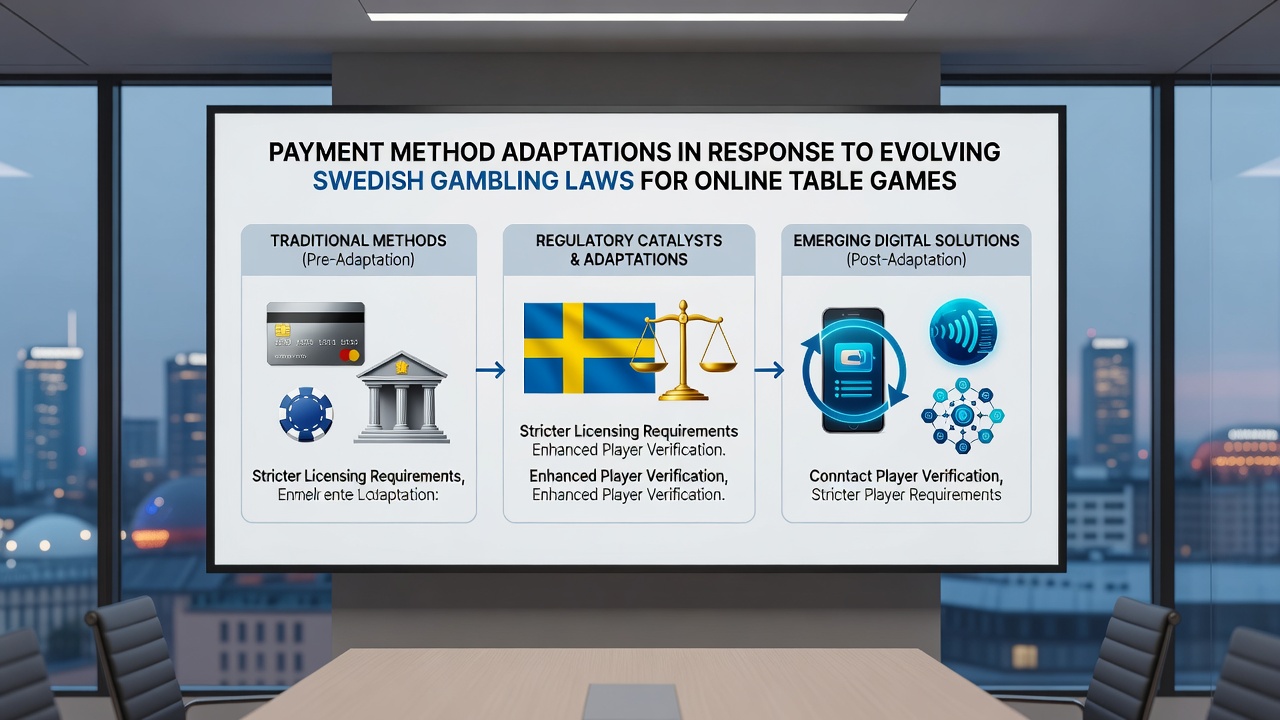
Research from Nordic gaming associations indicates that adoption rates for account-to-account transfers have risen steadily since 2023, with table game operators reporting fewer declined deposits once local rails became the default choice.
Case Examples of Compliance Adjustments
Observers point to platforms that introduced wallet-based systems allowing players to preload funds for extended blackjack sessions while maintaining separate ledgers that satisfy audit demands from regulators.
Another adjustment involved linking payment confirmations to session timers so that withdrawals cannot process until a mandatory cooling-off period ends, a feature now common among licensed sites offering live dealer tables.
Figures reveal that such integrated tools cut processing disputes by measurable margins, according to summaries released through industry trade groups.
Broader Market Implications
Payment adaptations also influence how operators market table game bonuses because rules tie promotional credits to verified payment sources, preventing the use of anonymous methods that once bypassed oversight.
Those monitoring license renewals note that applicants must demonstrate robust payment infrastructure before receiving approval to host online poker or roulette, with Spelinspektionen conducting periodic audits of transaction logs.
External analyses from research bodies such as the OECD digital economy reports highlight similar patterns in regulated markets where local payment rails become central to compliance strategies.
Conclusion
Swedish operators and payment providers continue refining their systems to match ongoing legal requirements, with August 2026 marking another milestone in transaction transparency rules that affect online table game ecosystems.
These changes ensure that all financial interactions remain traceable and compliant while supporting the smooth operation of live dealer platforms across the licensed market.